Understanding Bankroll Management
Bankroll management is a crucial concept for anyone engaging in gambling activities. It refers to the effective handling of your money to maximize fun and minimize losses. By defining your gambling budget and adhering to it, you can maintain control over your financial situation, which is especially important when using betting apps canada that offer various promotions. This involves setting aside a specific amount that you are willing to gamble with, treating it as an entertainment expense rather than an investment. This mindset is essential in mitigating the risks associated with gambling.
Moreover, understanding the importance of bankroll management can help you establish limits on individual bets or sessions. For instance, if you decide to gamble with $500 for the month, you need to allocate that amount wisely across different games or sessions. This not only ensures that you have enough funds to play longer but also reduces the temptation to overspend in moments of excitement or frustration. By setting these boundaries, you increase your chances of having a more enjoyable experience.
Additionally, keeping track of your wins and losses is vital. This practice provides insight into your gambling habits and helps you understand when to quit or adjust your strategy. Regularly reviewing your bankroll can prevent you from chasing losses, which often leads to overspending. Develop a clear plan that includes how much you are willing to stake on various types of games, while being mindful of your overall budget.
Setting a Gambling Budget
Creating a gambling budget is an essential step in effective bankroll management. This budget should be based on your income, expenses, and financial obligations. It is advisable to only allocate discretionary income for gambling. For instance, if you have $300 left after paying bills and saving for necessary expenses, this could be your gambling budget. By ensuring that your gambling funds do not interfere with your everyday financial responsibilities, you can play with peace of mind.
Another aspect of setting a budget is determining the duration of your gambling sessions. Decide how much money you are willing to spend per visit and how long you plan to play. For example, if you decide on a budget of $100 for a night out, it would be wise to break that down into hourly spending limits. This strategy allows you to enjoy the experience without the risk of running out of money too soon, ensuring that your enjoyment does not turn into regret.

Furthermore, remember that it is prudent to reassess your budget periodically. Your financial situation can change, and so can your gambling habits. If you find that you are consistently losing or exceeding your budget, adjustments may be necessary. This could mean reducing your gambling budget or switching to lower-stakes games. Being proactive about your gambling finances helps to foster a healthy relationship with the activity.
Choosing the Right Games
The choice of games you engage with can significantly impact your bankroll. Different games have varying house edges and payout structures. For example, games like blackjack and poker often provide better odds compared to slot machines. Understanding the fundamentals of each game can help you make informed decisions that align with your bankroll management strategies. Choosing games with a lower house edge increases the chances of extending your gameplay, thus enhancing your overall experience.
It’s also beneficial to familiarize yourself with the rules and strategies of the games you choose to play. Having a solid understanding allows you to employ strategies that can maximize your potential for winning. For instance, in poker, mastering the art of bluffing and reading opponents can lead to better outcomes. Similarly, learning betting strategies in blackjack, such as when to hit or stand, can greatly influence your ability to grow your bankroll.
Moreover, consider the volatility of the games. Low-volatility games tend to provide smaller, more frequent payoffs, which can be ideal for managing your bankroll. In contrast, high-volatility games may yield larger payouts but carry a higher risk of depleting your funds quickly. Aligning your gameplay with your bankroll allows you to mitigate risks while enjoying the thrill of gambling.
Knowing When to Walk Away
One of the most critical elements of effective bankroll management is knowing when to walk away. This involves recognizing both winning streaks and losing streaks and responding appropriately. When you’re on a winning streak, it might be tempting to continue betting, believing that your luck will last. However, to manage your bankroll wisely, it’s essential to set win limits. Deciding in advance how much of your winnings you are willing to retain can ensure that you leave with a profit rather than putting it all back in play.
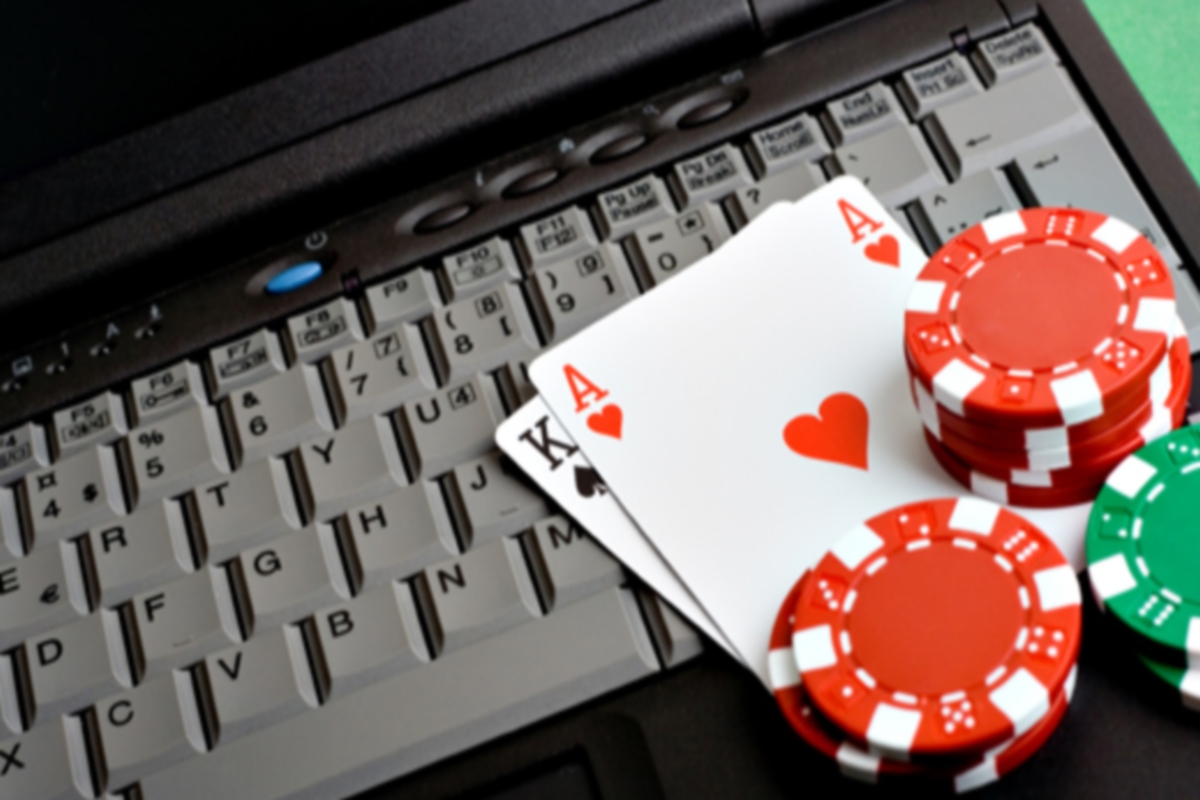
Conversely, during a losing streak, it is vital to resist the urge to chase those losses. Many gamblers fall into the trap of trying to recover lost funds by increasing their bets, which can lead to even greater losses. Establishing loss limits can mitigate this danger and help you quit while you are ahead. If you hit your loss limit, it’s important to have the discipline to step back and recognize that sometimes it’s better to take a break.
Additionally, taking breaks between sessions is a key strategy for maintaining a healthy gambling mindset. This can provide the necessary distance for reflection and help you evaluate your bankroll without the immediate influence of the games. A fresh perspective can bring clarity and reinforce your decision-making skills, allowing you to return to gambling with a more disciplined approach.
Finding Resources and Support
Managing your bankroll while gambling is a multifaceted process that can feel overwhelming at times. However, there are numerous resources available to help you refine your approach. Many online platforms and communities offer tools and articles focused on effective bankroll management. These resources provide insights into strategies, tips, and real-life experiences from fellow gamblers who have navigated similar challenges.
It is also beneficial to engage with gambling education programs or workshops. These initiatives often cover valuable topics ranging from bankroll management to game strategies. Learning from experts in the field can provide you with a solid foundation and practical techniques to apply in real-time gambling situations. Taking advantage of these resources can significantly improve your chances of having a successful gambling experience.
Moreover, if you find that your gambling habits are becoming problematic, seeking professional help is important. Organizations dedicated to gambling support can provide assistance and counseling for those who may struggle with managing their bankroll effectively. Prioritizing your mental health and financial well-being will ultimately lead to a more enjoyable and sustainable gambling experience.